Click this text to gain access to an exclusive Post-Hurricane Checklist!
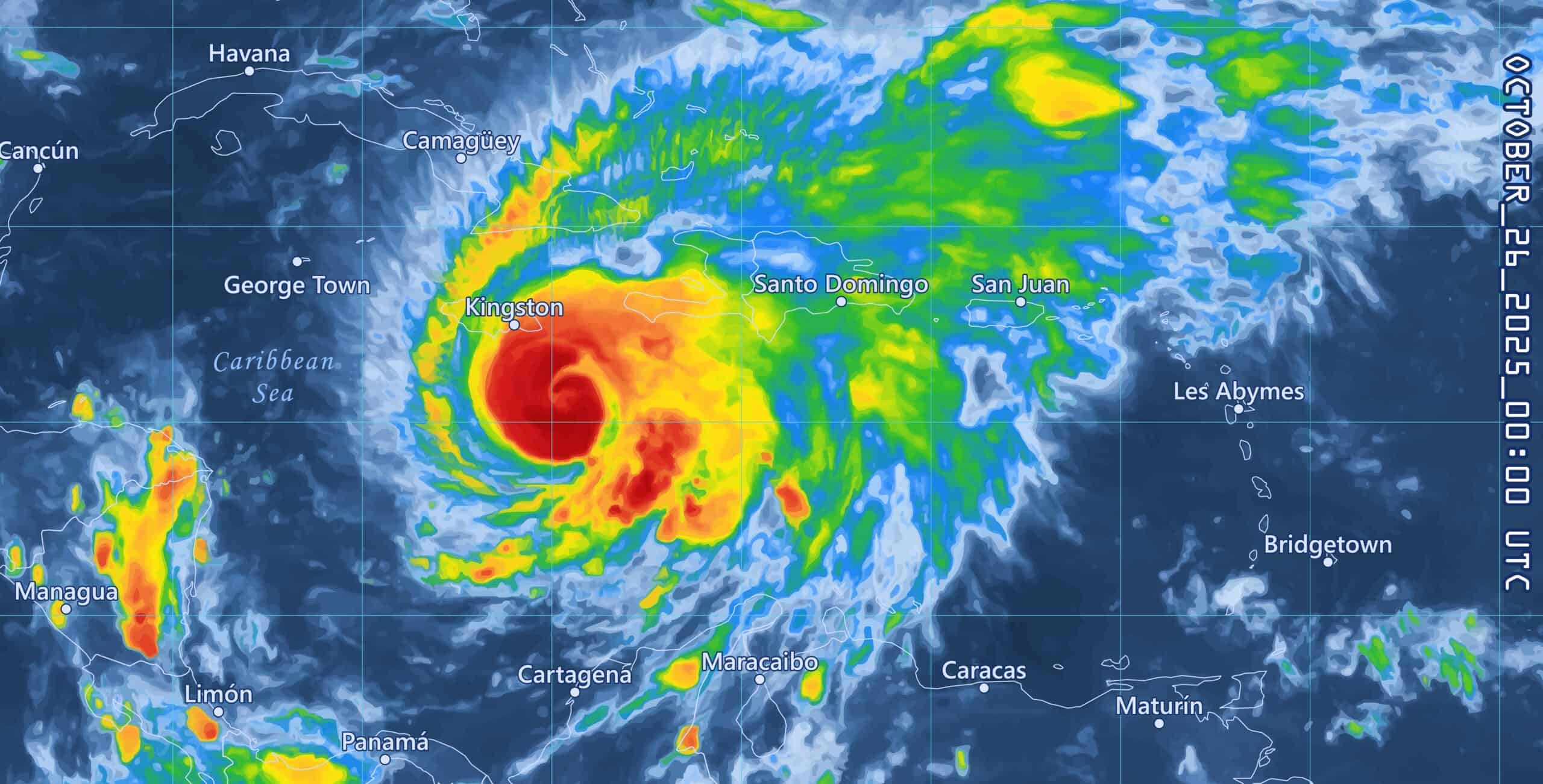
When the winds die down and the rain finally stops, it can feel strangely quiet. After Hurricane Melissa’s devastating impact on Jamaica—entire communities cut off, roofs torn away, debris everywhere, lives lost—the reality hits: recovery doesn’t start with a hammer, it starts with a plan.
This guide walks homeowners through clear, practical steps to take after a hurricane, using the experience of Melissa as a sober reminder of why each step matters.
1. Safety First: Don’t Rush Back In
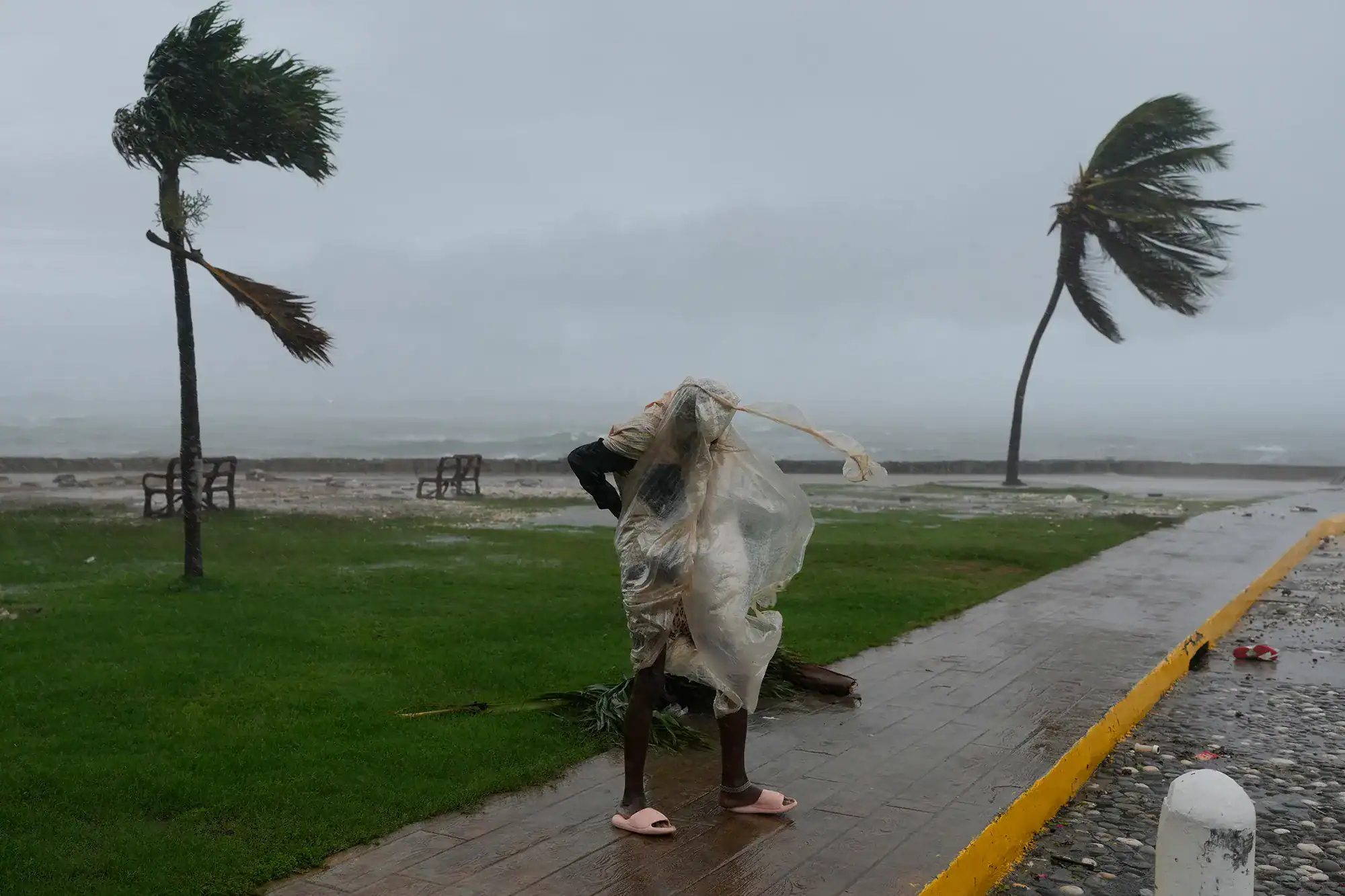
Before anything else, assume your surroundings are dangerous until you prove they’re not.
-
Wait for official all-clear. Don’t return home or move around unnecessarily while authorities still report high winds, floodwaters, or active search and rescue.
-
Avoid floodwaters. They may contain sewage, sharp objects, live electrical current, and dangerous animals.
-
Stay away from downed power lines & poles. Treat every wire as live. Report them immediately.
-
Watch for gas leaks. If you smell gas or hear hissing, leave the area at once and contact your gas provider/emergency services.
-
Use generators safely. Always outside, away from doors/windows. Never in enclosed spaces—carbon monoxide is silent and deadly.
In the wake of Melissa in Jamaica: many communities were cut off by landslides, debris, and damaged infrastructure. In similar scenarios, your first priority is survival—water, shelter, communication—not cosmetic damage.
2. Check on People, Then Property
-
Call or visit (if safe) family, elderly neighbors, persons with disabilities, and single parents.
-
Share charging, water, food, or temporary shelter if you’re in a better position.
-
Join or follow local community groups, churches, and relief centers for updated support locations.
Community networks saved lives and sped up relief after Melissa; homeowners are strongest when they act together, not alone.
3. Document Everything Before You Touch Anything
Your phone is now a legal tool.
-
Take photos and videos from multiple angles: roof, walls, ceilings, floors, windows, fences, vehicles, appliances, inside and out.
-
Capture water lines on walls, damaged documents, ruined furniture, broken doors, cracked columns.
-
Make a written list or spreadsheet of losses: brand, model, serial numbers, approximate cost.
-
Store copies in cloud storage or email so they’re safe even if your device is lost later.
This documentation is gold when dealing with insurance, disaster claims, or government assistance.
4. Contact Your Insurance Company Early (But Don’t Let Anyone Rush You)
-
Notify your insurer as soon as communication is possible.
-
Ask what they specifically need: claim number, photos, estimates, temporary housing coverage, etc.
-
Do not sign any contract with a contractor or “claims helper” who shows up at your gate:
-
without ID,
-
wants cash up front,
-
or pressures you to sign immediately.
-
-
Where possible, get 2–3 quotes from licensed contractors once it’s safe.
If you’re in a context like post-Melissa Jamaica—where damage is widespread and adjusters are overwhelmed—getting your claim logged early puts you in the queue while still protecting your rights.
5. Make Only Emergency Repairs at First
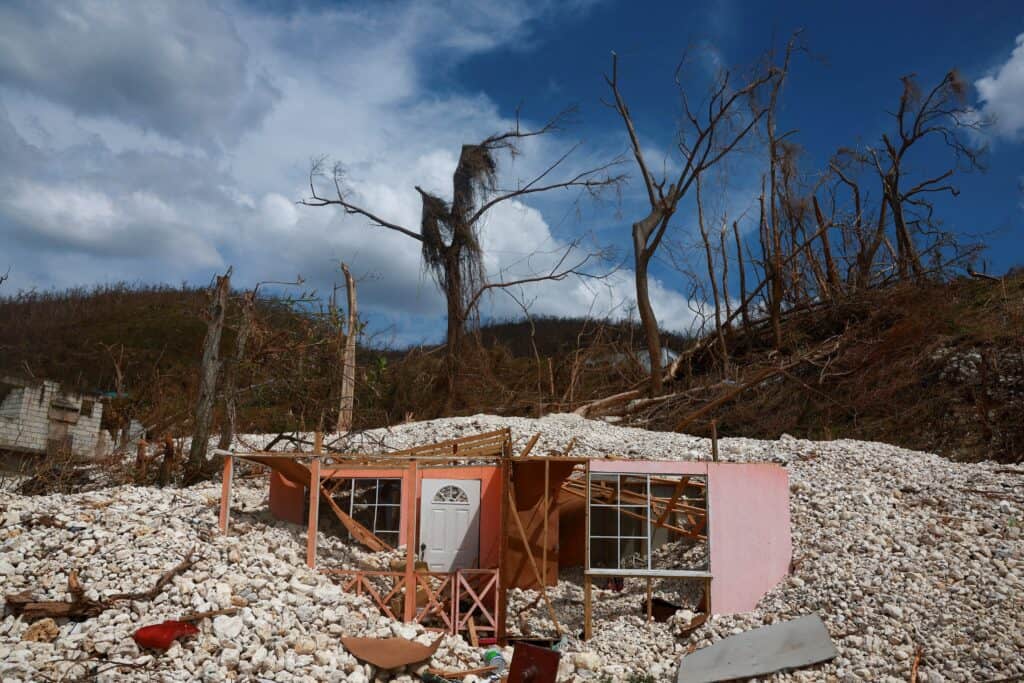
Your goal in the first days is to stabilize, not renovate.
-
Cover broken roofs/holes with tarps.
-
Board shattered windows or use plywood/plastic sheeting.
-
Move salvageable furniture and electronics to dry, safe areas.
-
Clear only what you can safely move: branches, light debris, loose glass.
Keep all receipts for materials and labor—many policies reimburse temporary protection.
6. Inspect Your Home Systematically (If It’s Safe)
If the structure looks severely damaged, tilted, or partially collapsed, do not enter. Call a professional engineer or building inspector.
If it seems stable:
Outside
-
Look for: missing shingles, broken tiles, exposed wood, leaning walls, cracks in foundation, torn gutters, leaning trees.
-
Check the roofline from the ground—sags or dips can mean serious damage.
Inside
-
Check for: wet ceilings, bubbling paint, sagging drywall, warped floors, visible cracks above doors/windows.
-
Avoid using lights or appliances if water has entered outlets or the breaker panel.
Utilities
-
Power: If breakers are wet or damaged, don’t switch them on. Get an electrician.
-
Gas: Any suspicion → leave and call.
-
Water: Boil or treat until authorities confirm it’s safe.
7. Cleaning Up: Protect Your Health
Post-hurricane clean-up can be more dangerous than the storm.
-
Wear boots, gloves, long sleeves, and a mask—especially around mold or dust.
-
Throw out:
-
Food that has been unrefrigerated too long, touched floodwater, or has broken packaging.
-
Medicines that got wet or warm beyond safe storage.
-
-
Start drying out:
-
Open windows and doors when weather allows.
-
Use fans and dehumidifiers (if power is safe).
-
Remove soaked carpets, mattresses, and soft furniture that can’t dry quickly—mold begins in 24–48 hours.
-
-
Leave big trees, power lines, and structural debris to professionals.
8. Watch for Hidden Structural & Electrical Damage
Call licensed professionals if you notice:
-
Cracks widening over time.
-
Doors/windows suddenly sticking.
-
Uneven floors or separating walls.
-
Burning smells, buzzing outlets, flickering lights.
-
Rust or water inside your breaker panel.
These warning signs were common in heavily impacted areas after Melissa—ignoring them can turn a damaged home into a deadly one. Bloomberg+1
9. Look After Your Mental Health Too
Surviving a hurricane—and its aftermath—is traumatic.
-
Accept that stress, insomnia, irritability, and anxiety are normal.
-
Talk with friends, faith leaders, counselors, or support groups.
-
Limit doom-scrolling disaster footage; focus on actionable updates.
-
If you or a family member feels overwhelmed or hopeless, seek professional mental health support or community services.
Stronger houses matter. Stronger minds and communities rebuild them.
10. Build Back Stronger: Preparing for the Next One
Every storm is a lesson. After repairs, consider upgrades:
-
Hurricane straps & proper roof anchoring.
-
Impact-resistant windows or shutters.
-
Elevated outlets and appliances in flood-prone areas.
-
Proper drainage, sealed roofs, gutter systems.
-
Safe storage for vital documents (waterproof + cloud backups).
-
A ready-to-go hurricane kit: water, nonperishables, meds, lights, power banks, copies of IDs, cash.
Hurricane Melissa in Jamaica is a brutal warning: stronger, wetter, more intense storms are becoming the new normal. Building smarter—structurally, financially, and mentally—is not luxury anymore; it’s survival.
Incase of a hurricane, contact Realty One Group Bahamas for Property Management services,